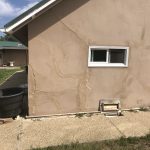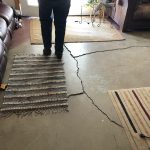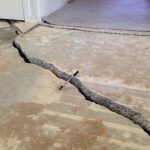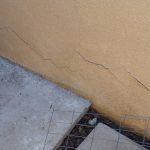
Soil analysis is a crucial step in the construction process, as it helps to ensure the stability and longevity of any structure. By understanding the composition and behavior of the soil, builders and engineers can design foundations that are capable of withstanding various environmental and load conditions. In this post, we will explain the role of soil analysis in construction, the types of soil issues that can affect structures, and preventive measures to mitigate these issues.
The Role of Soil Analysis in Construction
1. Determining Soil Composition:
• Soil analysis involves testing the soil to determine its composition, including the proportions of sand, silt, clay, and organic matter. This information is critical for assessing the soil’s bearing capacity and suitability for construction.
2. Identifying Soil Behavior:
• Understanding how soil behaves under different conditions, such as moisture changes and load applications, allows engineers to predict potential issues and design appropriate foundations.
3. Assessing Load-Bearing Capacity:
• Soil analysis helps in determining the load-bearing capacity of the soil, which is essential for designing foundations that can support the weight of the structure without excessive settlement.
4. Preventing Future Problems:
• By conducting thorough soil analysis before construction, potential problems can be identified and addressed proactively, reducing the risk of structural damage and costly repairs in the future.
Types of Soil Issues That Can Affect Structures
1. Expansive Soils:
• Soils with a high clay content can expand when wet and contract when dry, causing significant movement that can lead to foundation cracks and structural instability.
2. Soil Settlement:
• Poorly compacted soil or soil with low bearing capacity can settle over time, leading to uneven foundations and structural damage.
3. Soil Erosion:
• Erosion caused by water runoff can remove supporting soil from beneath foundations, resulting in instability and potential collapse.
4. Soil Liquefaction:
• In areas prone to earthquakes, saturated soils can lose their strength and behave like a liquid during seismic activity, causing severe damage to structures.
5. Organic Soils:
• Soils with a high organic content can decompose over time, leading to settlement and instability.
Preventive Measures
1. Proper Site Assessment:
• Conduct a thorough site assessment to understand the soil conditions and identify any potential issues before construction begins.
2. Soil Stabilization Techniques:
• Implement soil stabilization techniques such as adding lime or cement to improve soil strength and reduce its expansiveness.
3. Appropriate Foundation Design:
• Design foundations that are suitable for the specific soil conditions, such as deep foundations for expansive soils or mat foundations for areas with low bearing capacity.
4. Effective Drainage Systems:
• Install effective drainage systems to manage water runoff and prevent erosion and water accumulation around the foundation.
5. Regular Monitoring and Maintenance:
• Regularly monitor the soil and foundation conditions, especially in areas prone to soil movement or erosion, and carry out maintenance as needed to address any issues early.
Conclusion
Soil analysis plays a vital role in preventing structural damage by providing essential information about the soil’s composition, behavior, and load-bearing capacity. By understanding and addressing potential soil issues through proper site assessment, stabilization techniques, and appropriate foundation design, builders and engineers can ensure the stability and longevity of their structures. Investing in thorough soil analysis and taking preventive measures can save significant time, money, and effort in the long run, and help maintain the safety and integrity of any construction project.